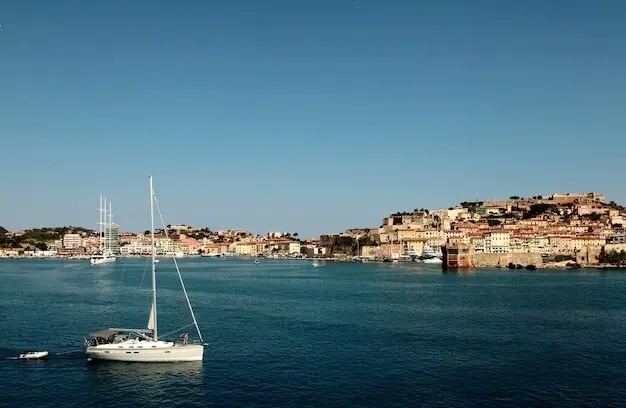
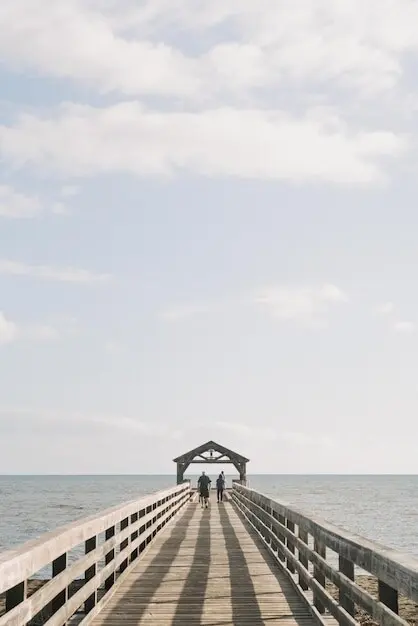
Cobalt Quiet on the Waterfront

Step onto the cobbles as the city exhales and the water gathers the sky. Tonight we explore Blue Hour reflections and silhouettes at Liverpool’s Royal Albert Dock, where red brick glows softly and cast-iron colonnades become graceful outlines. Expect practical guidance, vivid stories, and gentle nudges to look longer, move slower, and create photographs that feel like quiet songs. Share your questions and favorite vantage points too; your eye and your footsteps will shape what unfolds.

The Alchemy of Blue Light

Between sunset and night, cobalt gathers in layers, washing the dock with a calm that sharpens shapes and slows time. Brick warms against the cool sky, water steals every glint, and gulls carve shadows along the breeze. Understanding how this short window behaves here will help you anticipate color, contrast, and reflection before they quietly vanish.

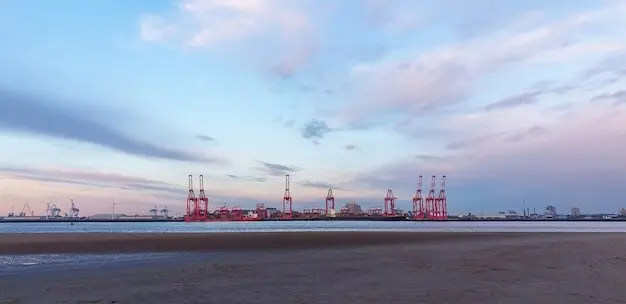
Compositions Carved from Brick, Water, and Air

At the dock, geometry is generous. Long colonnades invite leading lines, mooring ropes curve like commas, and the horizon trims the composition with calm certainty. By arranging space thoughtfully, you can balance glow and shadow, celebrate scale without clutter, and invite viewers to wander through your frame at an unhurried pace.

Tools for Quiet Light

Blue hour invites patience and precision. A steady tripod, remote release, and a lens between wide and normal lengths will cover most needs, while a fast prime adds intimacy. Keep batteries warm, protect your kit from drizzle, and favor RAW files to preserve delicate transitions.

Tripod Discipline and Long-Exposure Strategies

Stabilize legs on secure ground, avoid touching the setup during exposure, and use a two-second delay or remote. Start around one to four seconds for gentle water, lengthen when wind softens. Enable exposure delay if available, and shield the lens from stray harbor lights.

Lens Choices for Intimacy and Scale

A 24–70mm covers sweeping context and closer details; tuck in at 35mm for balanced storytelling, or step to 70mm to compress piers and lamps into graphic shapes. If crowds thicken, switch quickly, keep caps secure, and watch straps near the waterline.

Color Fidelity, White Balance, and RAW Latitude

Auto white balance often cools beautifully here, yet custom values can preserve brick warmth without stealing twilight’s soul. Shoot RAW for generous recovery, gently boost midtone contrast, and avoid heavy saturation that crushes subtle gradients where memory and mood live most convincingly.

Human Traces in Quiet Light

People transform this waterfront into a living metronome. Footsteps echo, scarves lift, and conversations drift across the basin. By welcoming silhouettes, you keep privacy while revealing rhythm and feeling. Approach with kindness, remain aware of edges and water, and let gestures carry your narrative.

Weather, Water, and Working Safely

Conditions change personality rapidly beside the basin. Drizzle deepens color, wind chisels silhouettes, and clear evenings invite mirror-still reflections. Soles can be slick, tripods can skate, and pockets can betray valuables near edges. Prepare deliberately so creativity feels fearless rather than fragile.
Check hour-by-hour forecasts, rain radars, and wind maps, then compare with your own eyes on arrival. Low clouds may hold cobalt longer; high cirrus fade fast. Note shelter under colonnades, and choose leeward corners when gusts threaten sharpness and balance.
A little rain turns everything cinematic. Pack a small towel, silicone covers, and microfiber for lenses. Plant tripod feet firmly, avoid puddle edges, and wipe droplets before they flare. Accept a few imperfections; they often feel like breath rather than blemish.

From RAW to Resonance

Editing should honor the hush you felt beside the water. Protect the gentle gradient between deep blue and warm brick, guide eyes with subtle contrast, and let blacks breathe. Then add captions with place names and feelings, inviting conversation, feedback, and shared discoveries.
Kentodavotemi
Privacy Overview

This website uses cookies so that we can provide you with the best user experience possible. Cookie information is stored in your browser and performs functions such as recognising you when you return to our website and helping our team to understand which sections of the website you find most interesting and useful.