Mirrors on the Mersey: Capturing Liverpool Dockside Reflections

Shoulder your camera and wander the waterfront with a photographer’s guide to reflection vantage points around Liverpool Docks, where calm basins, polished stone, and gleaming glass reveal doubled skylines and quietly amplified color. We will explore when the water stills, where light pools, and how to move thoughtfully between historic brick, contemporary silhouettes, and working quays, so your frames echo with texture, time, and place. Bring curiosity, a steady stance, and an eagerness to experiment; these streets reward patience, play, and conversation with fellow creatives.

Reading the Water: Timing, Tides, and Wind

Reflections thrive on steadiness, and the docks answer with a different mood every hour. Early mornings often hush the basins, while blue hour amplifies neon accents and the last sky tones. Use local tide charts, watch flags for wind clues, and note ferry schedules that ripple the surface. Step slowly, breathe with the scene, and let a long exposure tame the smallest tremor. Record observations in a pocket notebook to refine timing on repeat visits.

Albert Dock at first light

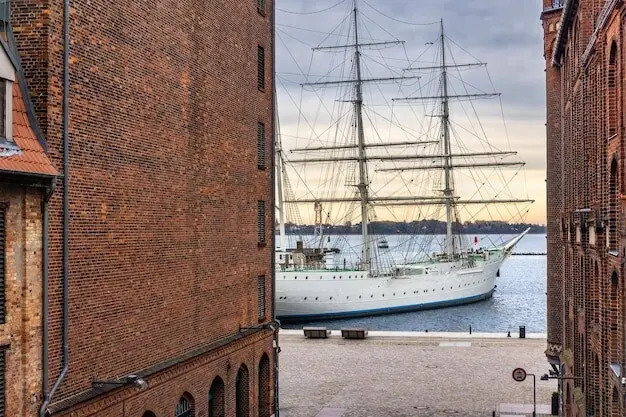
Arrive before dawn, when gull calls are distant and the colonnades hold their breath. The basin frequently settles into a velvet sheet that doubles iron columns and warm brick. Wait for the first glow to slide along the warehouse edges, then compose low to include tired rope, cleats, and ladder rungs. If a breeze lifts, tuck into leeward corners behind the Pump House, accepting a softer mirror and embracing subtle movement as a painterly veil.

Blue hour beside Mann Island

As city lights wake, the sharp planes of Mann Island and the Museum of Liverpool become luminous geometry, reflecting as floating facets on the canal link. Shoot after civil twilight begins, when cobalt skies balance streetlamp warmth. Shield your setup from gusts with your body, bracket exposures to preserve highlight detail, and let narrow apertures sculpt starbursts on lamps. The slightest wake can dissolve harsh lines, gifting a watercolor shimmer that feels intentional and elegant.

Princes Dock when winds rise

When breezes spoil the polish elsewhere, seek sheltered corners near Princes Dock’s walkways and footbridge by the hotels. Buildings block gusts, creating pockets of usable calm. Compose with pilings as vertical anchors and let leading lines converge on distant cranes. If the surface still stirs, extend exposures into multi‑second territory, blending micro‑ripples into satin. Keep an ear out for passing service boats; pause, reset, and invite the surface to settle before your decisive frame.

Three Graces across Canning Dock

From the quay near the Maritime Museum, turn toward the Liver, Cunard, and Port of Liverpool Buildings stacked like patient guardians. Their domes and clock tower fall into dark water with dignified weight. Crouch low to hide railings, and let a passing cloud soften daylight contrast. On calmer evenings, a mirror forms that flattens time, uniting Edwardian grandeur and present footsteps. Invite engagement by asking passersby to stand still briefly, their silhouettes adding scale without distraction.

Museum of Liverpool and canal link

That bold wedge of white ripples beautifully in the canal link, especially when skies carry textured cloud. Work diagonals that set the museum’s thrust against Mann Island’s gloss, then lower the camera until the surface bisects the frame. A slight tilt transforms the composition into an arrow pointing toward the river. Watch how tones dance as clouds thin, and try a polarizer twist to tune glare without erasing the gleam that tells your reflection story.

Hidden Mirrors: Puddles, Windows, and Polished Steel

When the basins ruffle, hunt for small mirrors that outwit the wind. Window panels, glossy signage, boat hulls, and rain‑fed puddles keep secrets at ankle height. Move slowly, scanning for elongated clouds and inverted cornices. Embrace distortions that feel dreamlike yet rooted in place. Clean your lens often, shade it with your hand, and welcome serendipity: a taxi passing can gift a fleeting color band that binds foreground shine with background structure.

Colonnade puddles after a shower

Under Albert Dock’s colonnades, showers leave reflective pools framed by pillars and iron rings. Kneel so the puddle becomes an infinity lake, carefully excluding your own reflection unless you mean to appear. A microfiber cloth helps manage spray. Compose with a vertical orientation to stretch arches into the miniature sky, and wait for footsteps to recede. When the clouds part, a shaft of sunlight can ignite amber brick in the water, adding theatre to your restrained scene.

Mann Island glass planes

The glossy triangles at Mann Island echo the waterfront with a precision that feels futuristic. Align façade seams with horizon lines, creating a hinge where real and reflected pivot gracefully. Step sideways in tiny increments until lamp posts and signage register as deliberate punctuation, not clutter. Consider a tight crop that treats reflections as abstract tessellation, letting only a hint of dock iron reveal context. Encourage conversation by sharing your experiments and inviting others to trace your footprints.

Steel, hulls, and chrome details

Boat hulls, bollards, and polished railings deliver compressed, curved worlds where brick warps into gilded ribbons. Approach at oblique angles, watching how highlights skate along metal. A small aperture expands depth, letting ripples and rivets tell tactile stories. Keep backgrounds plain so the shine reads clearly, and explore monochrome conversions that emphasize shape over hue. If a crew member waves hello, ask permission for a closer study; a short chat often unlocks unexpected vantage points.

Tools for Liquid Light

Pack intentionally: a solid tripod, remote release, microfibre cloths, and a polarizer you adjust with restraint. Neutral‑density filters lengthen exposures to calm residual chop, while lens hoods shield stray glare from glassy planes. Work manual focus in low light, checking magnified live view for shimmering edges. Bracket when dynamic range spikes, and protect highlights in post. Above all, let gear support curiosity, not overwrite it; the docks reward attentiveness more than any accessory ever could.

Polarizer finesse without losing sparkle

A quarter turn can mean the difference between lifeless asphalt and an enchanting reflection. Rotate slowly while watching live view, stopping just before the mirror vanishes. Partial polarization trims harsh sheen yet preserves narrative glimmer. Remember that wide angles polarize unevenly across skies, so compose thoughtfully. If reflections fade unexpectedly, remove the filter entirely and lean on angle choices. Share before‑and‑after frames with your community to demystify why subtlety matters here.

Long exposures that smooth the chop

Even at sheltered docks, small ripples can fracture clean lines. Slip on a three‑ to six‑stop ND, test from one to eight seconds, and find the sweet spot where texture softens without erasing identity. Steadier tripods prevent micro‑blur; hang your bag as ballast if wind rises. Enable exposure delay or a two‑second timer to banish vibrations. Review at 100 percent, then nudge shutter time until curves, cables, and window grids hold with satisfying clarity.

Compositions That Flow
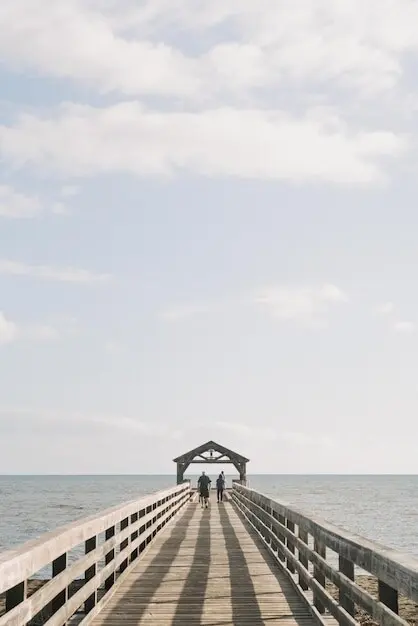
Great dockside reflection work balances design and spontaneity. Treat symmetry as a starting point, then break it with a rope, buoy, or lone passerby. Explore ultra‑low vantage points that stitch cobbles into the sky. Frame with arches, ladders, and mooring posts to add foreground intent. Let diagonals carry the eye across mirrored forms. When a composition clicks, stay put for changing light, capturing a small sequence you can later weave into a narrative set.

Routes and Corners Worth the Detour

A gentle circuit can multiply opportunities. Start near Albert Dock’s colonnades, trace the canal link past Mann Island, linger at Canning Dock, then explore Princes Dock for sheltered angles. If time allows, head to Stanley Dock by the Titanic Hotel for brooding brick mirrored in calmer water. Each leg offers distinct surfaces, crowds, and wind behavior. Keep snacks, layers, and spare batteries handy, because the light can tempt you into longer, happier detours.

Editing for Glassy Depth

Post‑processing should honor the scene’s calm. Start with subtle white balance shifts to unify sky and reflection, temper highlights to maintain signage detail, and gently lift midtones in the water. Avoid over‑clarifying ripples, which can fracture coherence. Local brushes refine edges where brick meets mirror, while a light dehaze can reclaim distant structure. Compare color versus monochrome to match mood. Share a screen recording of your workflow to invite feedback and strengthen community learning.

Safety, Access, and Kindness on the Quays
Working edges demand attention and goodwill. Wear grippy footwear, mind slippery algae, and keep straps tidy near ladders and rings. Respect signage, private moorings, and staff requests. Offer a nod to anglers, cyclists, and dock workers; a friendly word often earns time and space. If shooting late, bring company or share your route. Pack a small towel, spare socks, and a thermos, because comfort and courtesy nurture better pictures than bravado ever will.

Steady feet and weather sense

Slippery edges and sudden gusts can jolt even seasoned photographers. Test footing before you crouch, and avoid leaning over railings with heavy setups. Check forecasts for sharp showers that add puddles yet challenge electronics; a simple plastic cover buys calm in chaos. In winter, fingerless gloves preserve dexterity. A reflective strap helps at night. Encourage companions to watch each other’s backs, swapping roles between lookout and shooter so creative focus and safety co‑exist gracefully.

Respect for people and places

Docks are living spaces with workers, residents, and visitors. Ask before photographing individuals closely, step wide around anglers’ lines, and keep tripods clear of busy paths. If security checks in, smile and explain your project—curiosity paired with courtesy tends to smooth conversations. Share a print or online gallery link with anyone who helps; generous follow‑through builds trust. Your images will carry that goodwill, reading warmer and more grounded than hurried, defensive captures ever could.

Night routines and gear peace of mind

As lights bloom, keep awareness high. Plan exit routes, charge phones, and store essentials in zippered pockets. Use a subtle headlamp angled down to protect night vision and courtesy. Clip your remote, tighten plates, and confirm tripod locks before stepping back from the edge. Choose well‑lit walkways when relocating between spots, and let a friend know your timing. Sharing location updates with a creative buddy community adds reassurance and fosters collective exploration after dark.
Kentodavotemi
Privacy Overview

This website uses cookies so that we can provide you with the best user experience possible. Cookie information is stored in your browser and performs functions such as recognising you when you return to our website and helping our team to understand which sections of the website you find most interesting and useful.