Midnight Glass on the Mersey Quays

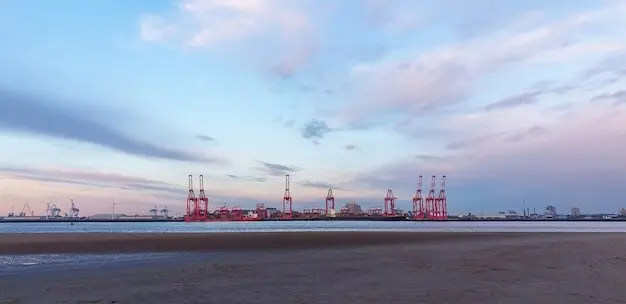
Tonight we dive into long-exposure night reflections across the River Mersey quays, chasing silky water, glowing skylines, and ferry light trails that turn the waterfront into living calligraphy. Expect practical guidance, local insight, and creative prompts that help you plan, shoot, and polish unforgettable frames, while staying safe along the tide-lined edges and engaging with a welcoming community.

Tides, Timetables, and Twilight

Planning transforms chance into certainty along Liverpool’s waterfront. Study tide tables to predict how much stone will show, watch ferry schedules for purposeful light trails, and time arrivals for the blue hour’s cobalt glow giving way to inky night. Map wind direction, scout safe footing in daylight, and visualize compositions that celebrate reflections without blocking pedestrian flow, because the river rewards foresight with glassy surfaces and graceful streaks that feel almost orchestral.

Steel, Glass, and Stillness

Choose a tripod with minimal flex and secure locks, spreading legs wide on cobbles without blocking walkways. Hang a small weight to lower the center of gravity. If wind surges, shield with your body, and avoid extending the thinnest leg sections.
Wide lenses gather generous foreground texture and full skyline silhouettes, while short telephotos compress distances to stack lights tightly. Beware polarizers at night; they reduce reflections you’re celebrating and cost precious exposure. Lens hoods block stray flare from cranes, car headlights, and dock lamps.
Engage electronic first-curtain shutter or mirror lock-up, and use a two-second delay if you misplace the remote. Long exposure noise reduction helps with hot pixels, though it doubles waiting time. In raw processing, restrain sharpening halos that fracture delicate water sheen.

Lines, Lanterns, and Liquid Symmetry

Great waterfront frames begin with intention. Let railings, chains, and cobbles lead viewers toward the skyline, but avoid centering everything so perfectly that energy stalls. Use reflections as active partners, echoing architectural rhythms while softening with motion, making steel, glass, and water converse in thoughtful balance.

Symmetry Without Stagnation

Mirror the Liver Building elegantly, then offset a bollard or mooring ring to introduce a conversational tension. A slight camera height change alters horizon placement, preserving stability while adding spark. Let symmetry soothe, and asymmetry whisper, so the viewer keeps exploring the frame.

Foreground Anchors

Rusty chains, wet cobbles, and tide-marked steps grant scale, texture, and history. Place them carefully to avoid cluttering reflections, and angle lines toward your subject’s heart. Wet surfaces gleam under sodium lamps, so minor shifts dramatically transform glints, edges, and narrative direction.

Sky as Collaborator

Low clouds accelerate into soft streaks over long shutters, echoing river flow and guiding the eye. On clear nights, a sparse constellation punctuates the stillness. Either way, treat the sky as music, adjusting exposure length to harmonize tempo above and below.

Seconds that Sculpt the Scene

Exposure choices define gesture. Ten to thirty seconds often smooth small ripples while preserving light texture; two to four minutes can erase wakes entirely and broaden trails into luminous ribbons. Favor low ISO, watch the histogram’s shoulders, and bracket wisely when crane lights feel volatile.

Finding the Sweet Shutter

Test sequences at varying lengths, noting how wind alters contrast in reflections. If elements ghost or vanish, shorten exposure and stack several frames. For grand calligraphy from ferries, extend time thoughtfully, ensuring highlights remain tame so color gradients stay tender and believable.

Aperture and Focus Discipline

Begin around f/8 to f/11 to balance sharpness and diffraction, focusing manually with magnified live view on distant lights. Use focus peaking if available. Recheck after any tripod movement, because tiny shifts can displace hyperfocal intentions across reflective planes.

From Pier Head to Birkenhead

Albert Dock and Mann Island

Cast iron columns, brick arches, and the Museum of Liverpool’s facets create layered geometry beside still basins. Walk the arcades to find clean alignments, then wait as water steadies. Night staff are friendly; greet them respectfully, and keep gear tidy near entrances.

Princes Dock and the Three Graces

From certain railings, the Liver bird crowns, Cunard detailing, and port stone glow together above a velvety river. Compose slightly off-center to keep energy alive. Watch reflections near moored boats, where gentle bobbing can fragment lines during longer exposures.

Seacombe, Woodside, and Birkenhead Vantage

On the Wirral side, the city becomes a distant jewel case, letting you compress lights and stretch their twins across calmer reaches. Seek higher ground for rail-free sightlines, and bring gloves; wind bites harder here, even on otherwise forgiving evenings.

Night Courtesy and Coastal Sense

Working Safely by the Water

Algae-slick steps can betray your footing, especially when concentrating on histograms. Keep a respectful distance, use nonslip soles, and never wedge tripods between railings where retrieval becomes risky. If you must lean, tether small items, because lost caps quickly vanish beneath darkness.

Respecting Spaces and People

Algae-slick steps can betray your footing, especially when concentrating on histograms. Keep a respectful distance, use nonslip soles, and never wedge tripods between railings where retrieval becomes risky. If you must lean, tether small items, because lost caps quickly vanish beneath darkness.

Weather and Waterfront Realities

Algae-slick steps can betray your footing, especially when concentrating on histograms. Keep a respectful distance, use nonslip soles, and never wedge tripods between railings where retrieval becomes risky. If you must lean, tether small items, because lost caps quickly vanish beneath darkness.

Selective Contrast and Micro-Detail

Clarity, texture, and dehaze can enliven metals and brick, yet easily shatter soft water gradients. Apply them sparingly, guided by range masks. Curves or luminosity masks let you lift shadow architecture without choking night ambiance, retaining that delicate, musical hush across the frame.

Color Harmony in a Mixed-Lights City

Target problematic hues with HSL, soften toxic greens, and balance deep blues against warm stone. Split toning, now color grading, can cool shadows slightly while keeping highlights golden. The goal is coherence, not sameness, so districts retain identity yet belong to the same night.

Cleaning Noise, Trails, and Artifacts

Use a gentle denoise pass to protect edges, then fix hot pixels or wandering aircraft with a heal tool. When stacking multiples, align precisely to avoid rippled ghosts. Finally, check the river’s horizon for tilt; tiny corrections preserve graceful stillness.

Share the Glow, Grow the Craft

Let’s build a riverside circle of kindness and critique. Post your latest long-exposure reflection from the Mersey, describe your shutter, aperture, and location, and tag fellow explorers. Comment generously, subscribe for new guides, and suggest challenges we can tackle together, night after night.
Kentodavotemi
Privacy Overview

This website uses cookies so that we can provide you with the best user experience possible. Cookie information is stored in your browser and performs functions such as recognising you when you return to our website and helping our team to understand which sections of the website you find most interesting and useful.