Where Brick, Iron, and Water Meet: Merseyside’s Reflected Past

Today we explore historic dockside architecture mirrored in the waters of Merseyside, tracing the stoic lines of brick warehouses, granite quays, and cast‑iron columns as they ripple across tidal basins. Expect stories of builders and sailors, practical tips for reflection‑rich walks, and glimpses of a waterfront continually reinventing itself without losing its working soul.

Jesse Hartley’s Bold Vision

Harbor engineer Jesse Hartley fused granite, cast iron, and meticulous brickwork into a pragmatic poetry designed to resist fire and time. Walk under his colonnades and the water returns every line twice, underscoring a confidence that once powered global cargoes and still anchors pride.

Albert Dock: Brick Geometry and Still Canals

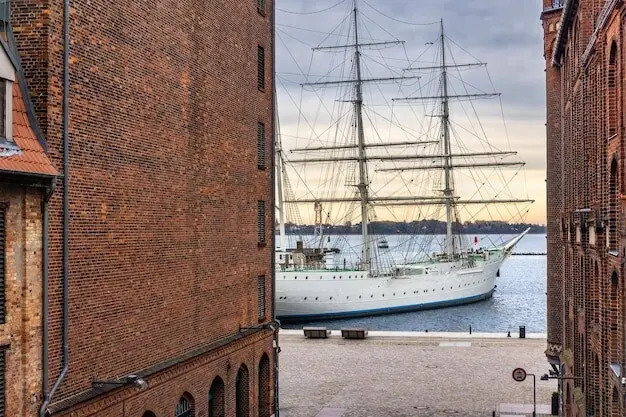
At Albert Dock, sober brick modules, iron columns, and open courtyards form repeating frames that the basins mirror with theatrical calm. Early hydraulic machinery once thundered nearby; now gulls, ripples, and footsteps stitch new rhythms, proving industrial clarity can host art, leisure, and patient contemplation.

Stanley Dock Tobacco Warehouse: Monument of Brick
Stanley Dock’s giant tobacco warehouse rises like a fortress of terracotta rhythm, its windows marching in near‑endless files. Reflections soften that vastness, pulling the behemoth gently into surrounding water, reminding passersby that even colossal industry once depended on quiet channels and measured depth.

Tide, Wind, and the Glassy Spell

Tides and wind decide whether basins become polished mirrors or fractured mosaics. Seek the lull after high water, when traffic eases and birds settle. In those suspended minutes, facades double perfectly, giving columns, cranes, and sills a second, trembling life that feels almost whispered.

Night Lights Across the Basin

When dusk arrives, sodium, LED, and window glow stitch filaments across the water. Long exposures smooth stray ripples, turning Albert Dock into a calm theater where reflections intensify color and contrast. Suddenly the working quay reads like stained glass, luminous yet absolutely anchored in brick.

When Fog Softens the Edges

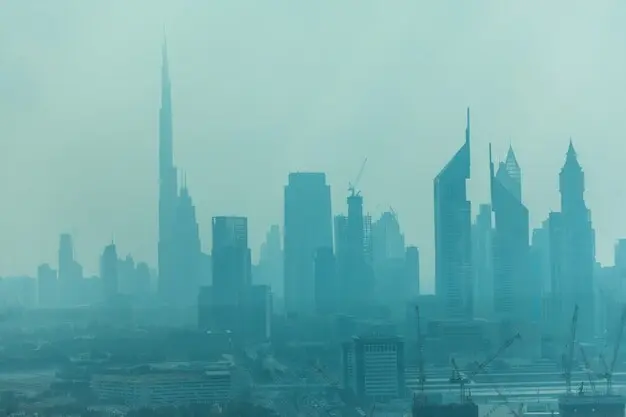
Fog is a kind editor, erasing clutter and leaving silhouettes to converse with their twins below. Gables, horns, and clocktowers become hints rather than declarations. The softened mirror persuades you to slow down, listen for gulls, and notice quiet proportions otherwise rushed past.

People of the Quays

A Docker’s Morning

Imagine a winter morning when frost rims the bollards and breath clouds hang low. A docker warms his hands, studies the basin’s calm, then shoulders coiled rope. The mirrored warehouse steadies him somehow, promising rhythm, wages, and safe footing before the cranes awaken.

Women of the Waterfront

Market stalls and warehouses once employed tireless women checking manifests, sewing sails, and tending canteens. Their steps echoed beneath the colonnades, and the water repeated every stride. Today’s visitors, prams, and students keep walking those routes, proving endurance can look gentle, deliberate, and gracefully ordinary.

Echoes of Migration

Through these docks flowed migration and return: Irish families escaping famine, sailors from West Africa, merchants from Europe. Reflections gathered accents and hopes together, layering stories beneath brick lintels. Watch the basin closely and you might sense departures and reunions crossing again, quietly, forever.

From Dereliction to Renewal

In the eighties and nineties, boards replaced smashed windows while visionaries argued against demolition. Brick by brick, safety followed, then studios, exhibitions, and laughter. Reflection returned like a guest, dignifying the waterline and reminding the city that endurance grows quietly until opportunity notices.

Museums Hold the Waterline of Memory

Merseyside Maritime Museum and the International Slavery Museum ground beauty with context, placing anchors, ledgers, and testimonies beside the water that carried them. Mirrors here do not flatter; they insist on connection, asking visitors to witness prosperity, suffering, invention, and responsibility within the same patient vista.

Debates Over Heritage and Responsibility

In 2021, Liverpool’s waterfront lost World Heritage status, sparking grief and resolve. Whatever one’s view, the question remains visible in the basins: how to welcome ships, homes, and culture while protecting sightlines, materials, and stories. The mirror records our choices, quietly and relentlessly.

Photographer’s Field Guide

For photographers and flâneurs alike, these waters reward patience, empathy, and planning. Approach with curiosity and leave time to circle each basin twice. Angles shift, clouds drift, and footsteps move the composition. Practical craft amplifies wonder, allowing humble puddles and grand docks to speak together.

Best Vantage Points

Favour sunrise at Salthouse Dock for stillness, Mann Island for modern lines against water, and the Pier Head for the Three Graces glowing above reflections. From Woodside on the Wirral, the skyline doubles beautifully, especially after rain, when darker pavements deepen foreground gloss.

Technical Choices That Favor Reflections

Carry a tripod, neutral‑density filters for smoothing ripples, and a remote release. Avoid strong polarizers if you love reflections; they erase magic. Bracket exposures to hold brick texture and water sheen, and wait through lulls, because the quiet minute often arrives unexpectedly.

Plan Your Walk

One good walk can hold the entire shoreline of memory and renewal. Plan a loop that pairs still basins with open river views, cafés with quiet benches. Build pauses for sketching or notes, because the water gives ideas freely to those who linger kindly.

Golden Hour Circuit

Begin at Albert Dock before breakfast, circle Salthouse for calm reflections, cross to Canning, and rest at the Maritime Museum steps. Continue toward Princes Dock for long vistas, then finish near the Museum of Liverpool where modern glass, sky, and tide weave a generous farewell.

Rainy‑Day Alternatives

When rain drives you inside, explore galleries whose windows turn stormlight into silvered backdrops. Hunt puddle‑mirrors beneath colonnades, practice handheld steadiness, and wait for umbrellas to animate your frame. Later, warm up with notes, sketches, and maps, turning weather into a collaborator rather than an obstacle.

Share Your View

Tell us where the water surprised you most, and what line, brick, or shadow stayed longest afterward. Leave a comment, subscribe for new walks, or share a photo route. Your reflections, like the docks, strengthen when repeated, compared, and generously offered back.

Kentodavotemi
Privacy Overview

This website uses cookies so that we can provide you with the best user experience possible. Cookie information is stored in your browser and performs functions such as recognising you when you return to our website and helping our team to understand which sections of the website you find most interesting and useful.